Weixin is the messaging app most people in China use every day — for chatting, paying, shopping and keeping up with friends. It is also, quietly, becoming a place to play games.
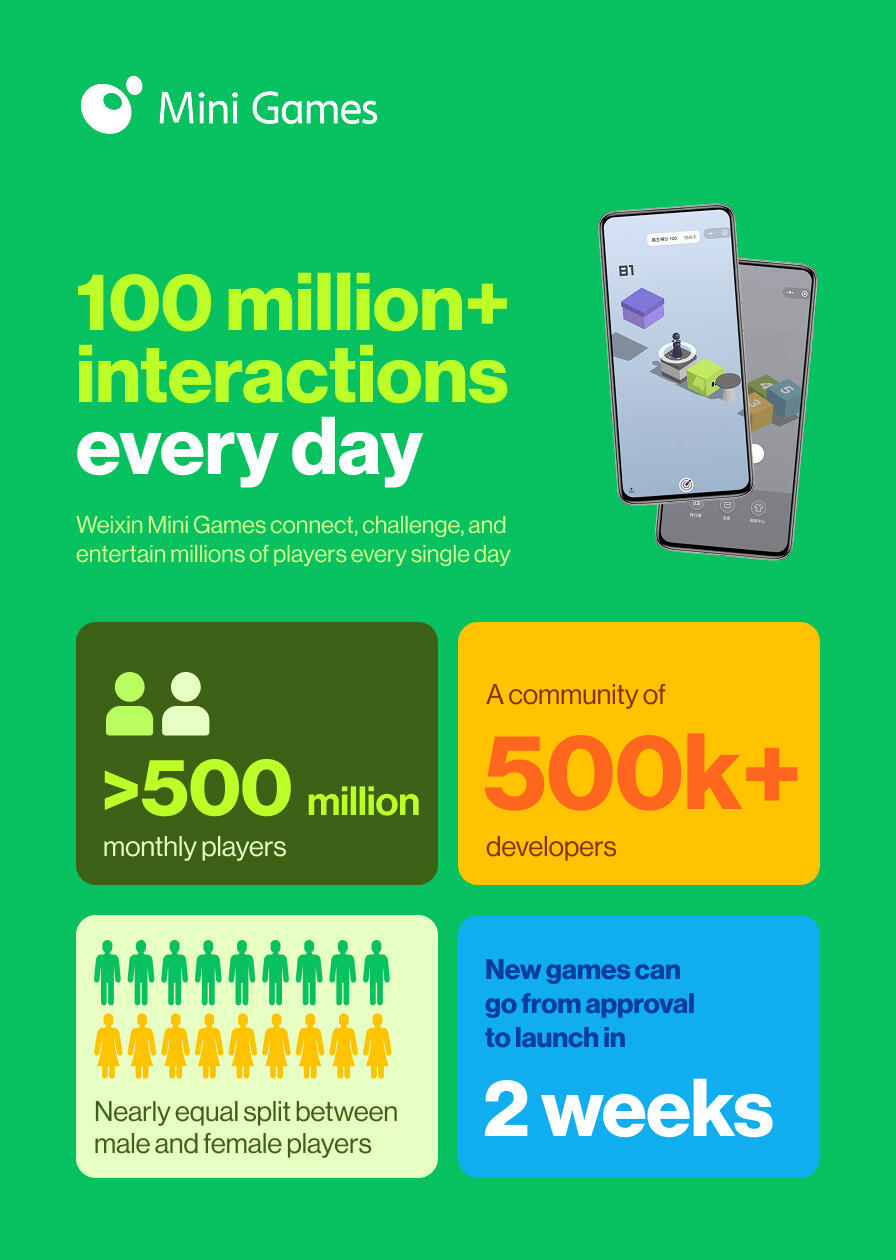
That’s down to Weixin Mini Games: instant, playable experiences built directly into Weixin. They launch in seconds from inside the app with no download needed, no app store, no gap between click and play. They are so popular that 500 million people play them each month.
Which points to something more interesting than the numbers. Here, people don’t find games in a storefront. They find them through each other.
Play Starts Where People Already Are
More than half of the monthly active users reach Mini Games through features already built into Weixin: chats, search, pull-down discovery, and more. A game surfaces in the middle of a chat, and playing it is one tap away.
That changes who plays. The audience is far broader than traditional gaming, with almost as many women as men taking part. Players aged 24 to 40 make up roughly half the base; another 40 percent are over 40.
Connection Keeps People Coming Back
What brings people back is not only the game itself — it’s knowing that someone they know is already in it.
A card game passed between colleagues turns into a daily ritual nobody planned. A simulation world becomes the reason a family spread around the country checks in every evening. Sharing a game, sending an invite, liking a friend’s leaderboard score — Mini Games players interact more than 100 million times a day. Those interactions aren’t a feature layered on top of the games. They’re how the games spread and how they stay alive.
Two kinds of players sit comfortably side by side: a broad, casual audience drawn in by quick, ad-supported games, and a smaller, highly engaged group willing to pay for more depth. Both arrive through the same front door.
-
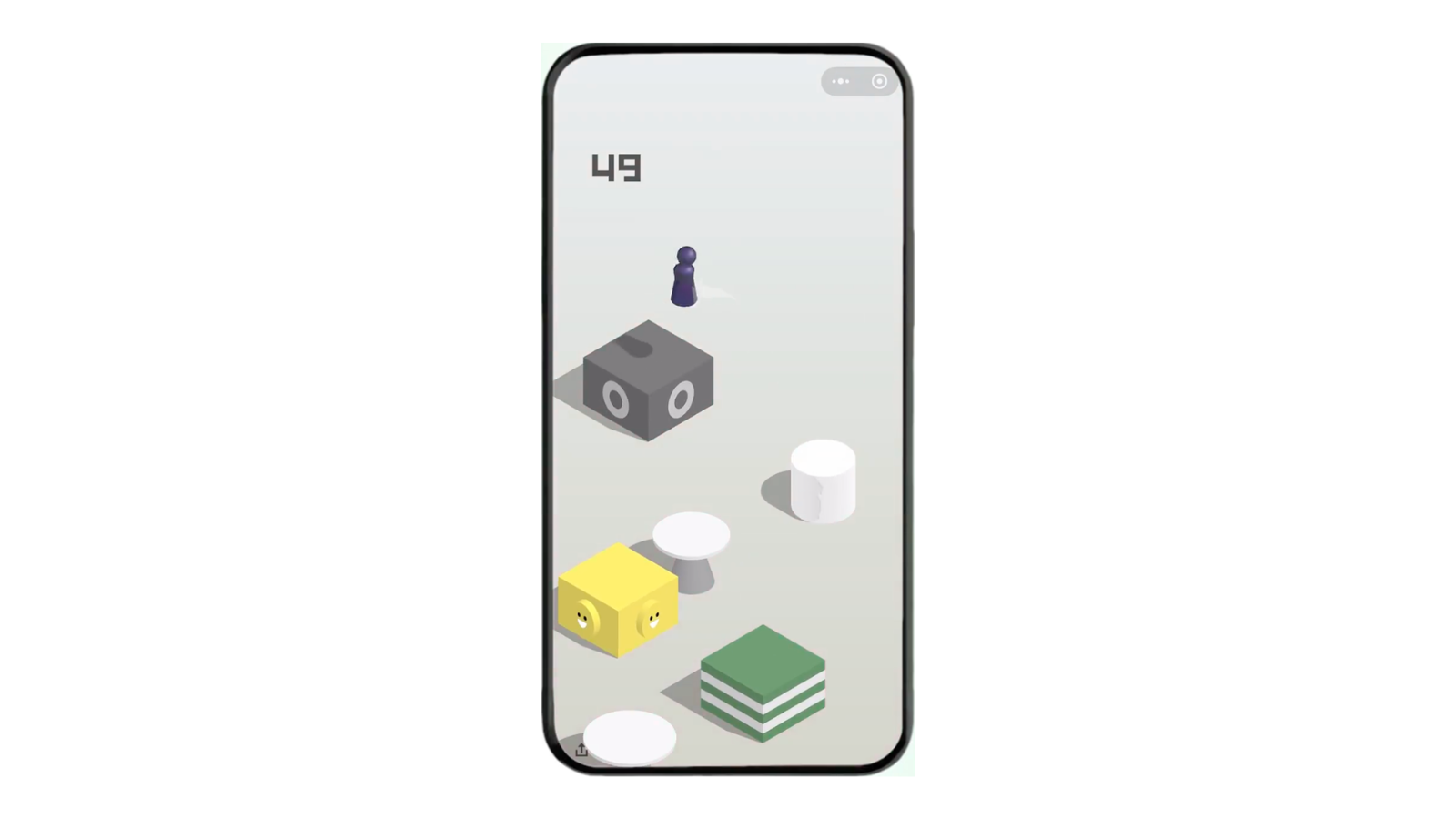
A player enjoys a fast, lightweight mini game directly within Weixin.
-
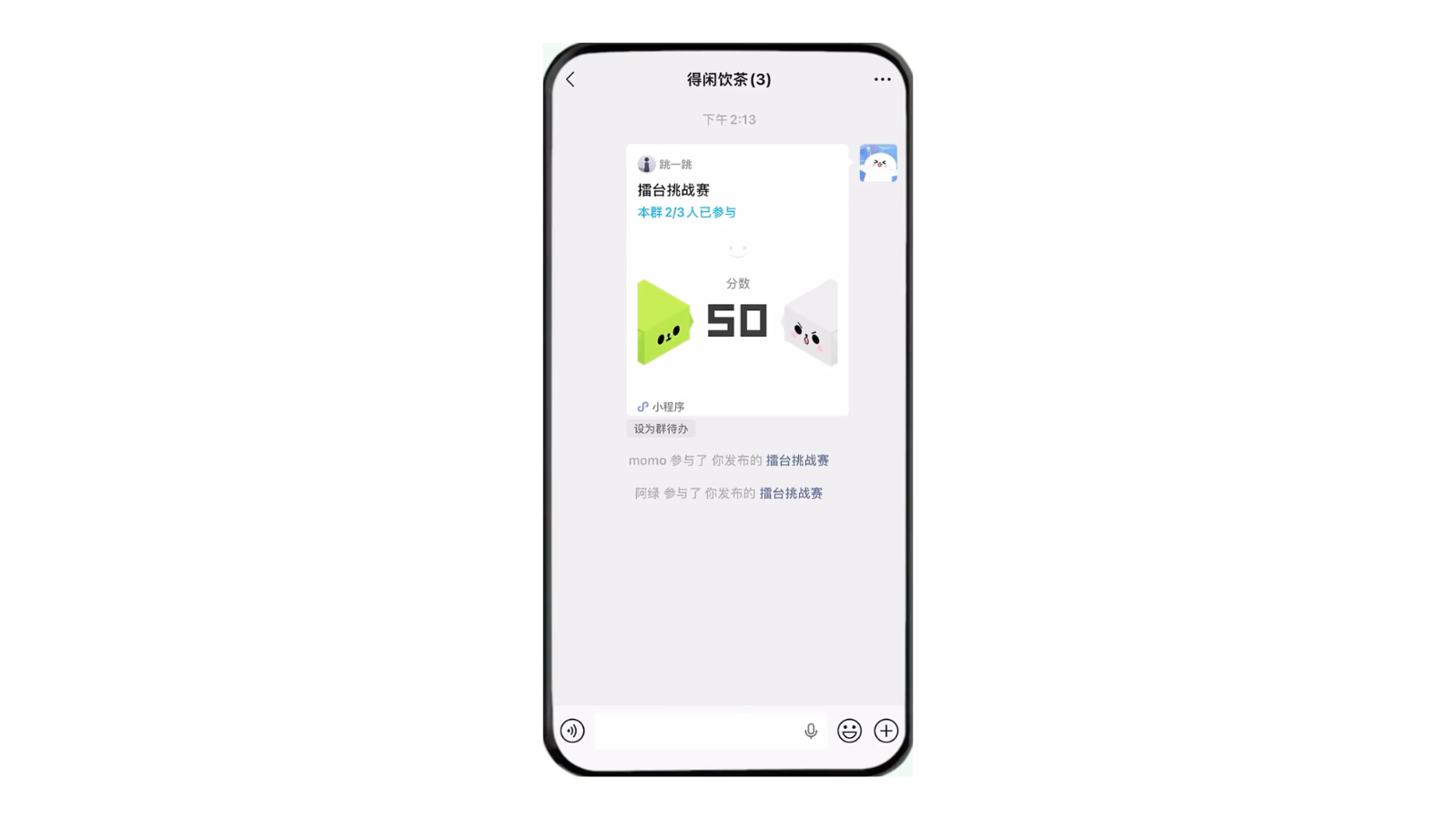
A player shares a mini game challenge in a group chat, inviting friends to compete.
-
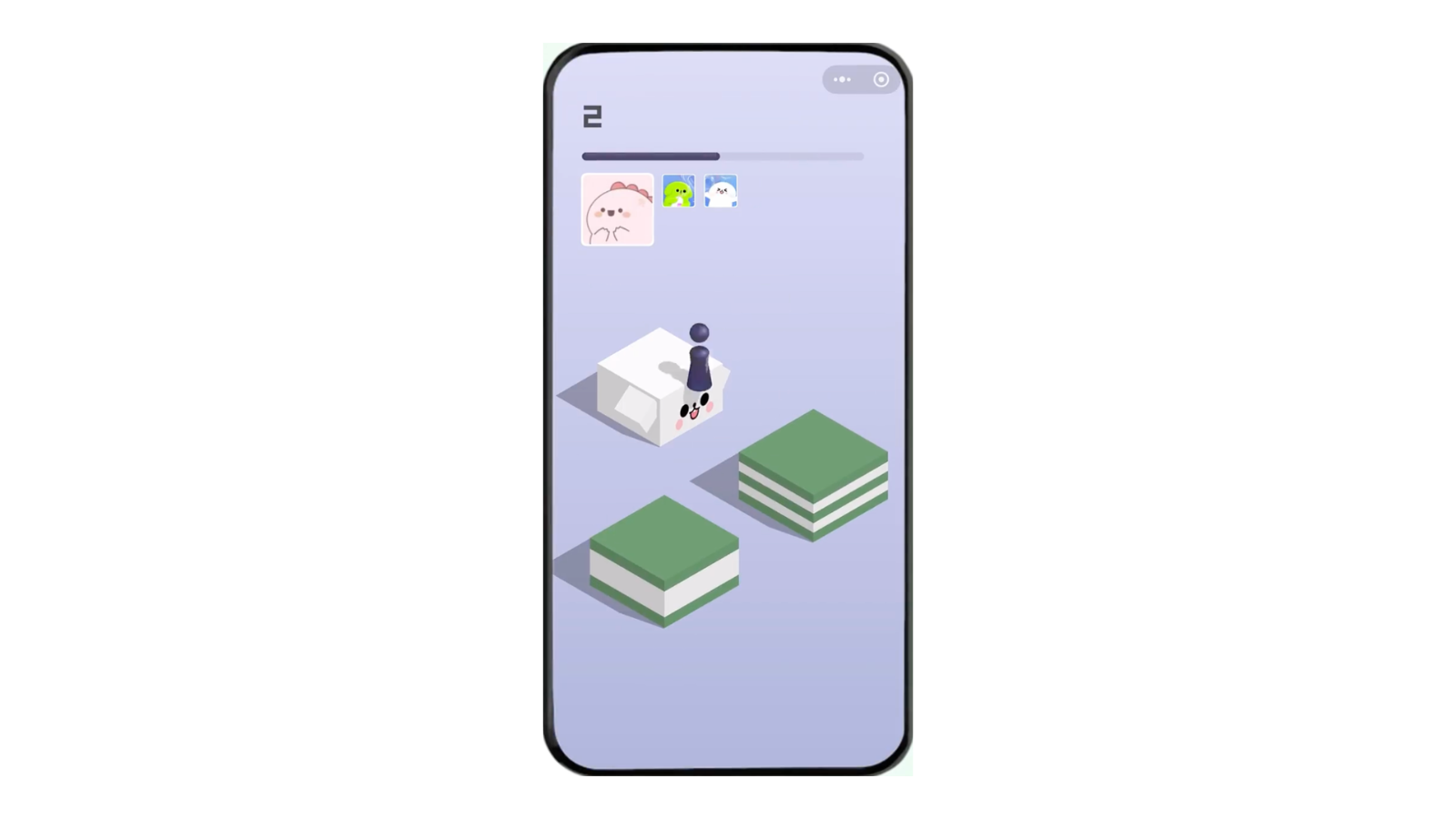
Friends play together in a mini game, with each participant represented by an avatar.
Small Teams, Bigger Worlds
The experiences behind all this are made almost entirely by small studios.
Of the 500,000 active developers on the platform, more than 80 percent work in teams of fewer than 30 people. Many projects start with just three or four people, building something they believe in and testing it among people they know.
A new game can go from approval to launch in about two weeks, which makes it easy to test an idea. The platform also handles the parts developers shouldn’t have to build themselves: code security, anti-cheat protection, community tools for players, and real-time performance diagnostics, leaving small teams free to focus on the game itself.
The Tools Behind the Games
AI has become an important aid for most developers — not to automate game-making, but to take the friction out of it.
Developers use it to accelerate prototyping, produce content faster, and test and optimize as they build. The tools handle the groundwork while the judgment that matters — what makes a game worth sharing — stays with the people building it.
Small Moments, Repeated
Somewhere right now, someone is sending a game to a friend. It’s a small thing — a moment of play passed from one person to another. But it happens constantly, between colleagues, cousins and old classmates who might not otherwise find a reason to check in that week.
That’s really the point. Games here aren’t something you go looking for. They arrive from someone you know, which makes them the easiest excuse to stay in touch.