AI has the potential to bring useful knowledge and practical support to more people. Turning that promise into action starts with understanding their lives.
For some, the barrier is finding an accessible entrance. For others, it is getting health advice that they can understand. These needs may receive less attention, but addressing them can make a difference.
That is the thinking behind AI & Society Camp, an initiative by Tencent Research Institute that spotlights research and real-world projects exploring how AI can earn people’s trust and expand what they can do. The projects begin with what people want to do, what gets in the way and where extra support could help.
Starting with the people who know the problem best
Tang Xu went to see a performance but never made it inside. A wheelchair user, he couldn’t find an accessible entrance and ended up watching the livestream from a café downstairs.
That evening inspired Little Bee Accessibility, a Weixin Mini Program designed to make getting around easier for people with disabilities. Tang and his collaborators started tracking down details on ramps, elevators and accessible restrooms. Volunteers later joined the effort, helping build a resource that lets people plan their journeys.
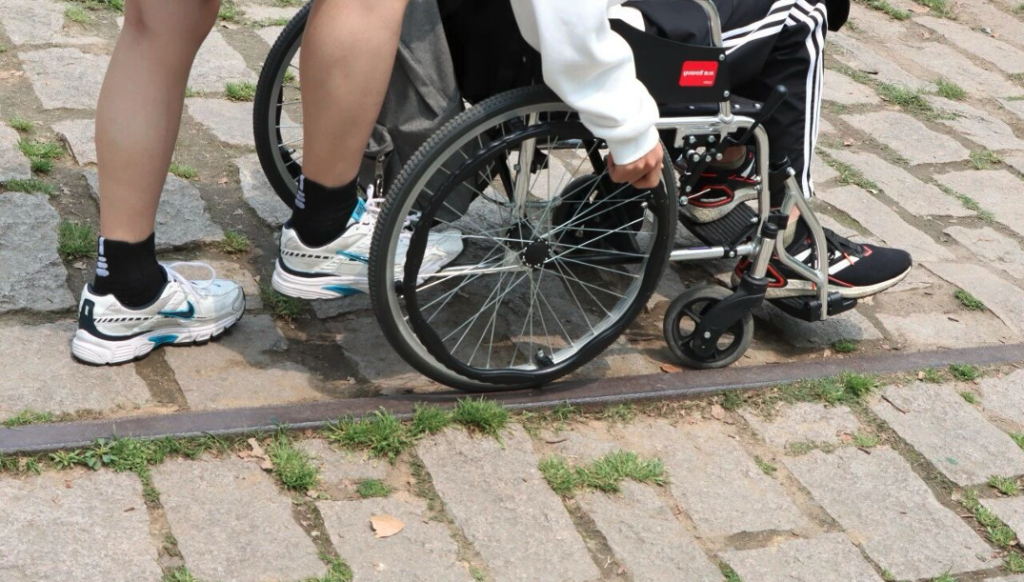
AI is now helping the team develop the project more efficiently. Tang, who has coded using one finger, uses AI-assisted programming to build faster. AI also checks volunteers’ photos, spots errors and adds image descriptions.
Health advice that speaks your language
For people managing long-term health conditions, food choices can be part of daily care. Health guidance is more useful when it reflects what they eat and comes in a language they understand.
Two university students in Hong Kong noticed that many health apps could calculate calories in bread and salad but were less familiar with local food such as barbecue pork buns and slow-cooked soups. They developed NutriGuard HK, an AI-powered prototype that understands local food and offers guidance in Cantonese, Mandarin and English. It would also advise users to see a doctor if they report signs of low blood sugar or changes to their medication dose.
In Xi’an, DialectCare focuses on rural older adults whose families have moved away. Some struggle to read or speak Mandarin, making it harder to understand health information or explain their symptoms. The team’s AI tool aims to understand local dialects and turn users’ descriptions into notes doctors can more easily follow.
Both projects explore how AI could make health information easier to understand and use, while helping people access professional support.
Bringing expert knowledge closer to home
Furniture, kitchen utensils and cleaning products can contain chemicals whose risks are difficult for families to identify. Shenzhen-based Toxics-Free Corps helps households understand these risks, but the work takes time. A home assessment often lasts more than two hours and requires detailed information to be reviewed.
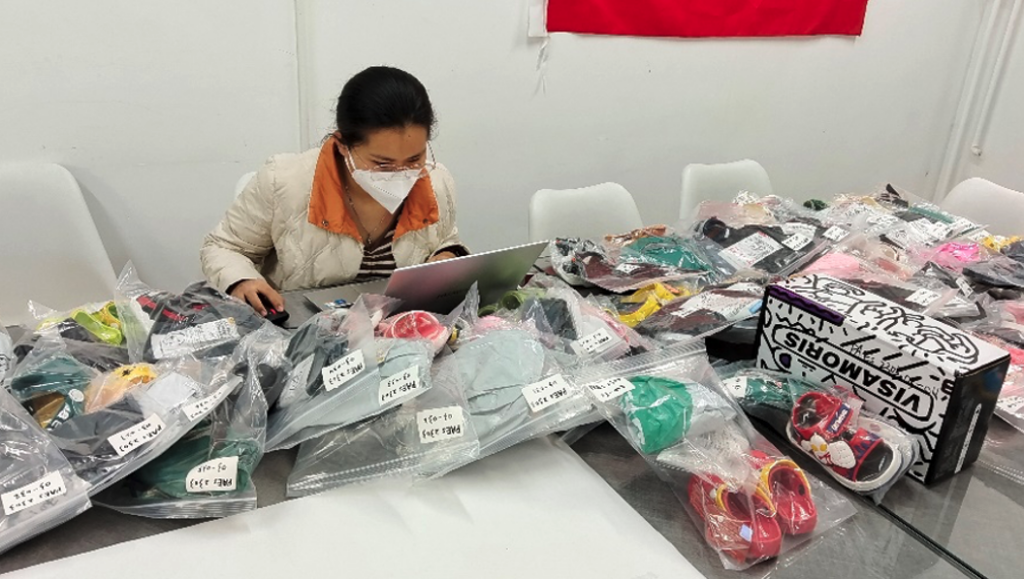
The team is exploring how AI could help analyze photos, process test results and draft risk reports. Reducing that workload could give staff more time to explain findings and help families identify affordable improvements.
The aim is to make specialist knowledge more accessible, so more households can make informed choices about their homes.
Toward a more inclusive AI future
These projects focus on different areas but share a practical approach: start with people’s needs and use AI where it can help. Technology supports the work, while human experience, judgment, and care guide it.
Making AI useful to more people means recognizing that they need different things from it. By involving those who understand the barriers firsthand, these teams are exploring how AI can fit more closely into people’s lives and give them more freedom to act.