Ahead of APEC 2026, Tencent employees set out to make visiting easier for international visitors, with the aid of technology.
You’ve just landed in Shenzhen. You want to grab a coffee, find your hotel and decide where to eat. But you are still figuring out how to get online, which apps to use and what the restaurant menu means.
These are familiar challenges for anyone traveling somewhere new. As Shenzhen prepares to host the 2026 APEC Economic Leaders’ Meeting, Tencent teams are working on practical ways to make those first encounters easier, and give visitors more opportunities to explore. Here are four examples of their work, each addressing a different part of the visitor experience.
1. Getting a conversation started, even offline
The first hour in a new country can be the most disorienting. You have landed, you haven’t got a local sim card—and asking a simple question suddenly becomes difficult.
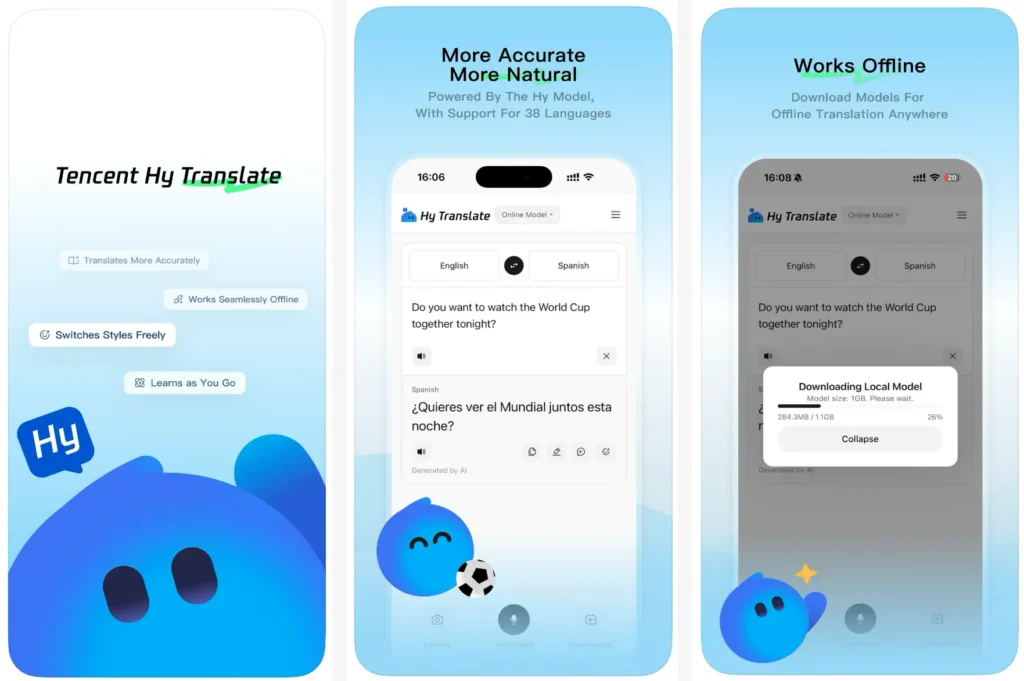
The Hy Translation team designed an offline translator for those moments. Powered by the Hy model and trained on a slang-rich database, it is intended to understand how people actually speak. Visitors can order coffee, ask for directions or check a price without needing a connection.
2. Turning menus into cultural discovery
Imagine seeing “hanging dragon” on a restaurant menu. Do you order it, or excuse yourself and look for a burger?
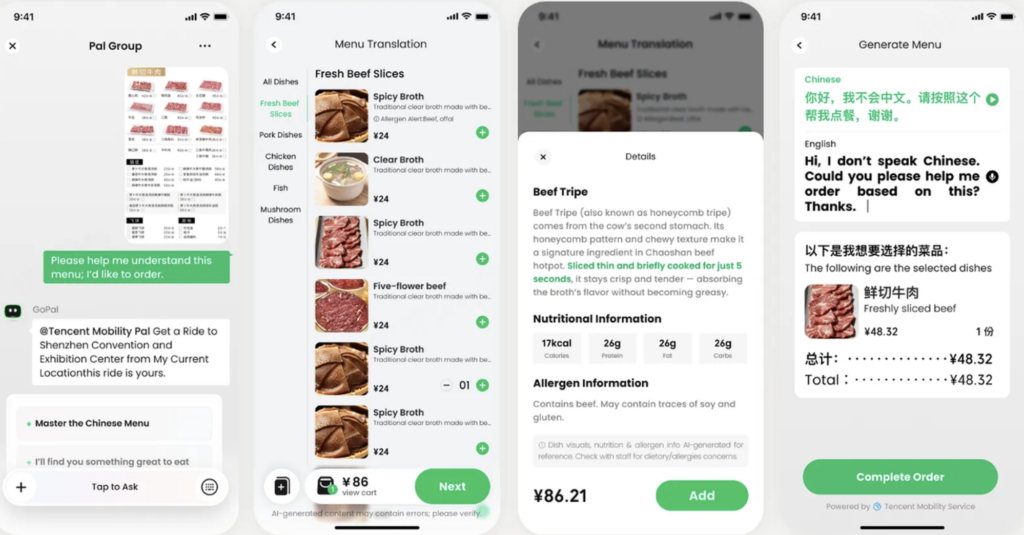
The TenPay Go team saw an opportunity for a payment app to do more than process a transaction. Its AI Capture feature is designed not only to translate menu items but also to explain their cultural meaning. Import the menu and click “hanging dragon,” for example, and you’ll learn that it refers to a premium, tender cut of beef ribeye. Confusion becomes curiosity—and the menu becomes an introduction to local life.
3. Making English signs more consistent
A single word can sometimes be translated multiple ways across the same city. For visitors trying to get their bearings, that creates confusion.
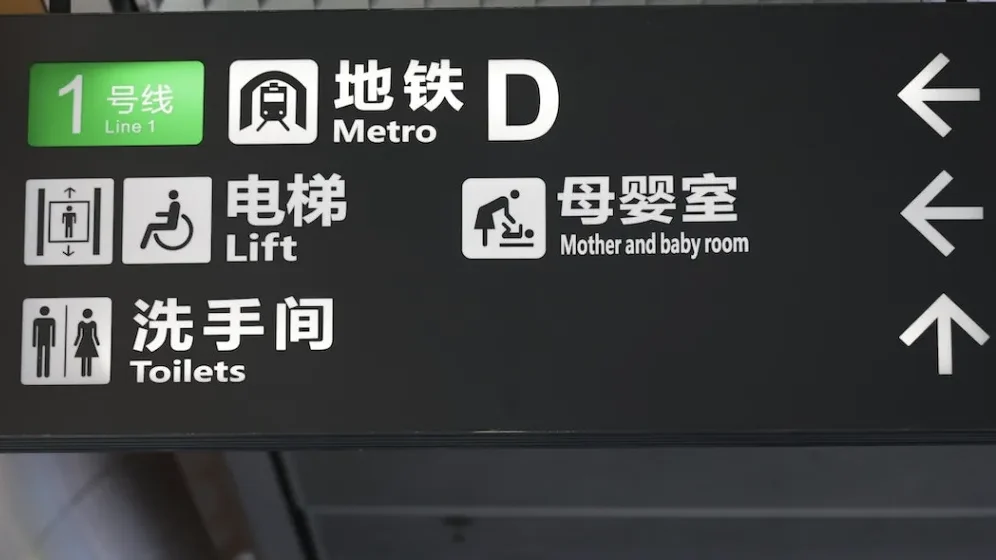
The City Observers team combined user-submitted street photographs, Tencent Maps street-view imagery and AI-powered detection to identify inconsistent English signage in Shenzhen. One memorable finding: there were six different translations for “nursing room”.
The team is exploring how to make these terms more consistent, so visitors can spend less time deciphering signs and more time getting where they want to go.
4. Helping you find the right local apps
Once you are online, you may wonder what apps are actually needed. China’s ecosystem of payment, transport and navigation platforms can feel unfamiliar to newcomers.
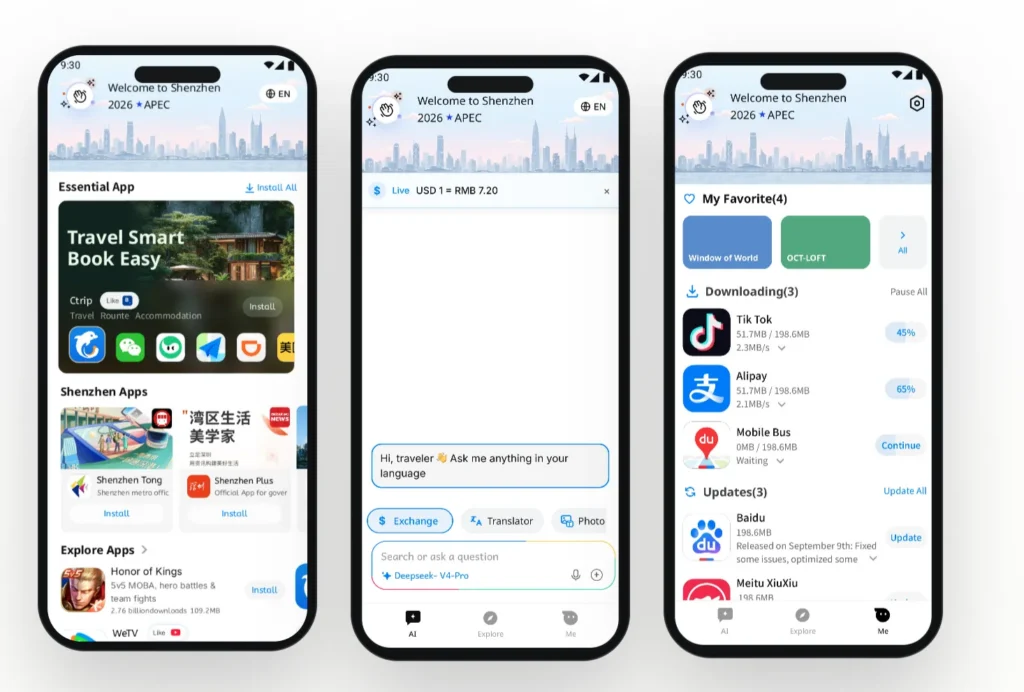
Drawing on experience from the Tencent App Store, our team is creating Knowa, a tool that connects popular international services with their local equivalents—Didi for Uber, for example, or Weixin Pay alongside PayPal. It’s less about encouraging downloads, and more about helping travelers find the right tools quickly.
A warmer welcome, on screen and in person
Alongside these innovative projects, Tencent has assembled a volunteer team to support international visitors during APEC, offering help with payments, navigation and language.
For travelers, feeling welcome often comes down to small encounters: getting an answer when you need one, ordering a meal with confidence or learning something about the place you’re visiting. These projects start with those moments, helping visitors spend less time figuring things out and more time enjoying the trip.