S Summit 2025: Seeking Solutions on How AI Can Drive Sustainable Development
Over the past 50 years, technology has lifted millions out of poverty, opened new doors for education, health, and opportunity. But the next chapter is more complicated — shaped by climate pressures, inequality, aging populations, and rapid digital transformation.
AI is advancing even faster. Used responsibly, it could unlock a wave of breakthroughs across society. Used poorly, it could widen the gaps we aim to close. This dynamic was the heart of the Sustainable Social Value Innovation Summit (S Summit) held in Beijing on December 3, 2025.
With 1,400 attendees gathering on site and millions more tuning in online, the Summit brought together leaders from business and academia to focus on a simple but urgent question:
How can we seek solutions together — and ensure AI becomes a force for sustainable development?
AI for Good Begins With Shared Values
The main forum set a thoughtful, forward-looking tone.
Tsinghua University’s Professor Yang Bin suggested that in the era of AI, a critical focal point for corporates to create social value is reskilling. By using technology to bridge the gap for those facing skill obsolescence, companies can turn anxiety into opportunity for the workforce. Tencent Senior Vice President Dan Xi highlighted how AI, when guided by human-centered values, can create practical solutions for a better world.
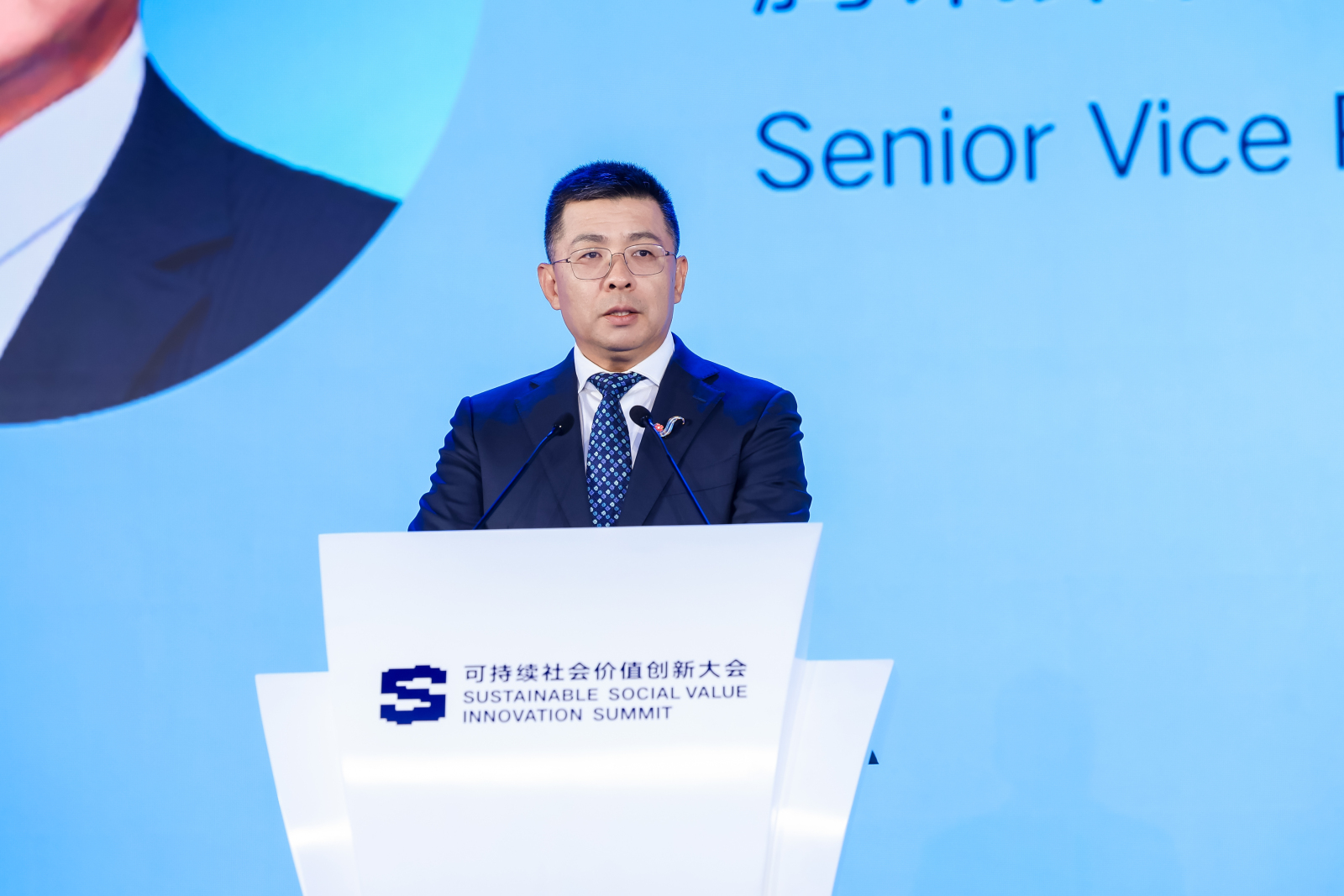 Dan Xi, Tencent Senior Vice President, shares his insight at the main forum.
Another two perspectives that reflected both ambition and humility:
- Professor Andrew Chi-Chih Yao, Turing Award laureate, highlighted how AI for Good is opening new pathways for sustainability, while accelerating scientific discoveries.
- Professor Xue Lan shared frameworks needed to ensure intelligent systems strengthen trust, fairness, and human dignity.
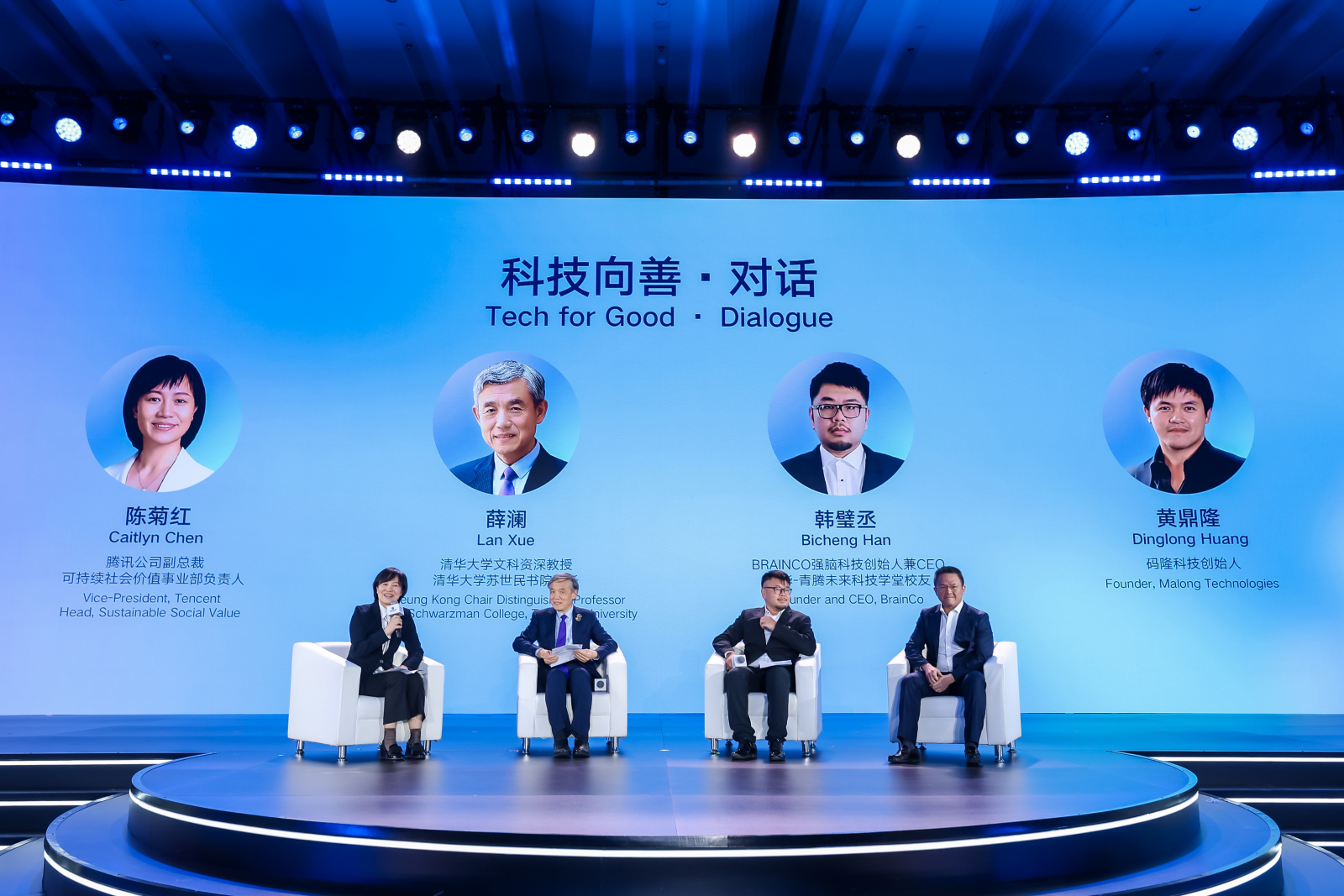 Caitlyn Chen, Tencent Vice President and Head of Sustainable Social Value, leads a panel discussion with leaders from academia and business.
Across discussions, three themes anchored the conversations:
- AI with purpose: Technology should meet real human needs – improving access, lowering barriers, and supporting care.
- Responsible innovation: Trust grows from transparency, governance, and ethics.
- Ecosystem collaboration: Systemic problems require systemic partnerships; no institution can solve them alone.
This sentiment was echoed powerfully by François Bonnici, Director of the Schwab Foundation for Social Entrepreneurship: “No single organization can solve the challenges we have in society and the economy today. We need cross-sector collaboration for social innovation.”
From Vision to Action: Focus Forums
The workshops brought the Summit’s theme — Seeking Solutions — to life through concrete, human-centered examples.
AI for Good in Practice
Innovators showcased technologies already improving lives today, from AI-enabled prosthetics that enhance mobility to new mental-health tools expanding access to care.
A standout story came from Tong Chong of State Grid in Suzhou. His team developed a dynamic lightning prevention system using AI prediction and high-precision detection. What began as a local innovation has grown into a 20-country collaboration – a reminder that solutions spread when knowledge is shared.
AI Research & Youth Engagement
Researchers explored generative engineering intelligence, digital life, and the governance frameworks needed as humans and AI co-evolve.
Meanwhile, young innovators took center stage as a force for bridging the digital divide and providing pathways forward. They demonstrated solutions grounded in community care, culture, climate, and social services – all developed with a sense of urgency and purpose.
A powerful insight emerged: Youth are not just future beneficiaries of AI, they are building AI’s direction and sustainable development today.
Social Innovation Ecosytem & Impact InvestingPanelists discussed how strong ecosystems — spanning capital, policy, technology, and trust — unlock sustainable growth. They emphasized shifting from isolated pilot projects to shared systems, where companies open capabilities as public goods and cross-sector alliances carry innovations across borders.
The impact investing session highlighted Asia’s rapidly growing market, emphasizing how AI-driven approaches can reshape investment strategies to balance social impact and financial sustainability.
Experiences That Made Innovation Feel Human
Beyond the forums, the summit venue transformed into a living gallery of applied innovation. Visitors stepped into AI-assisted therapy rooms, interacted with companion robots, explored holographic health tools, and experienced VR cultural heritage experiences,
At the CarbonXmade showcase, participants can see everyday products made from captured CO₂, which bring climate innovation to life.
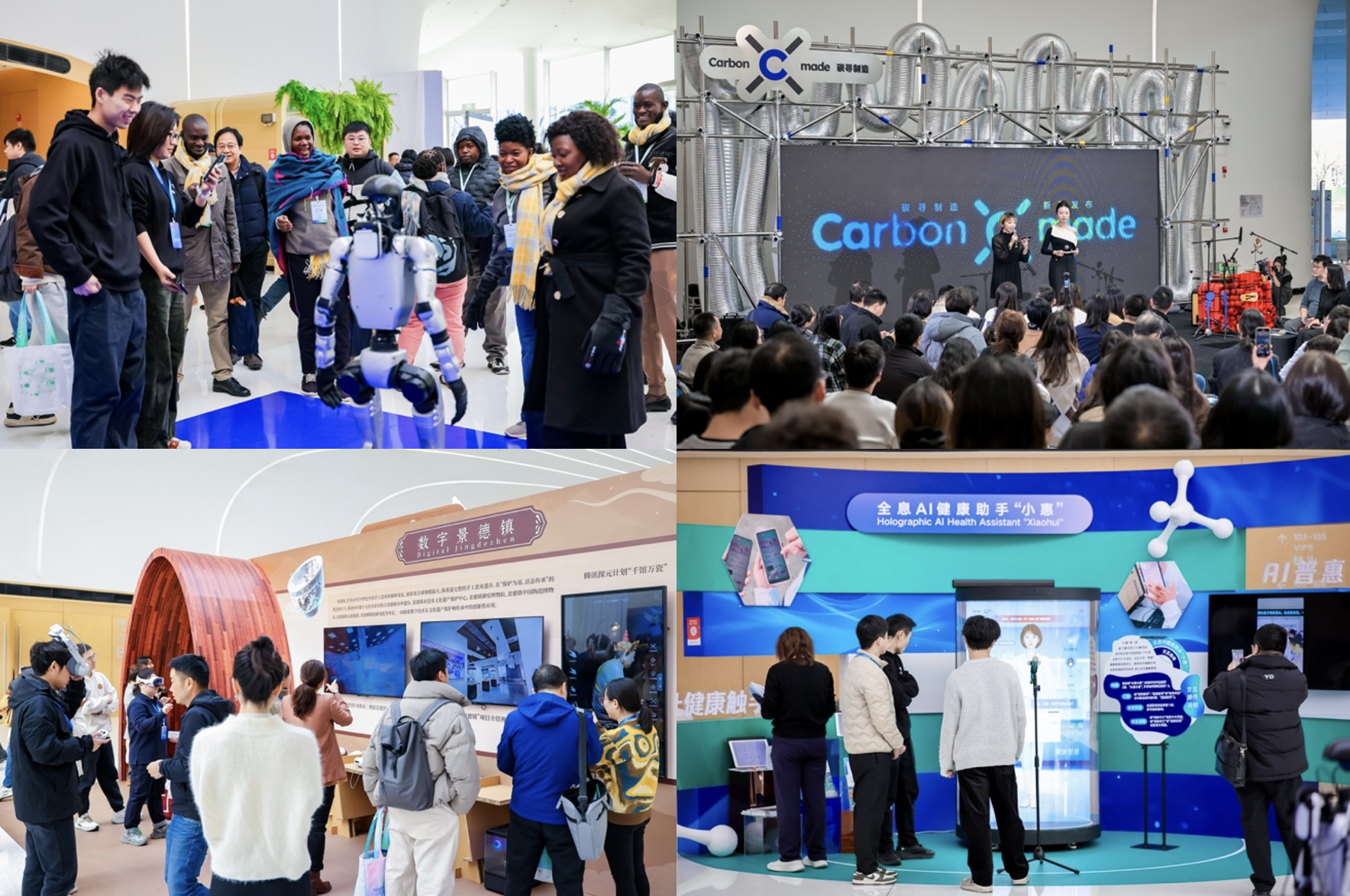 Visitors engage with hands-on demonstrations at S Summit’s booth area.
A Shared Mission: Seeking Solutions, Together
If one message echoed across the Summit, it was this: The world’s greatest challenges are shared — and so are the solutions.
S Summit 2025 reaffirmed the importance of global partnerships, open ecosystems, and human-centered AI. It underscored the idea that progress is not automatic — it must be built intentionally, collaboratively, and with a long-term vision.
The work continues in 2026 and beyond through pilots, joint research, and impact investing. With responsible, inclusive, human-centered AI — and the courage to seek solutions together — we can extend that progress to a more equitable, sustainable future.