Young Creators Are Building the Future With AI and Mini Programs
AI is already having a positive and meaningful impact on people’s lives – from a tool that helps a hearing-impaired father communicate with family to mental health, elderly care, and fraud prevention software. These aren’t products of tech companies — they were built by students.
Projects like these featured at the 4th Weixin Mini Program Global Innovation Challenge in May 2026, an initiative that encourages young people worldwide to bring their ideas to life through Mini Programs and develop their creativity.
But to understand what makes it work, you have to go back to where it started.
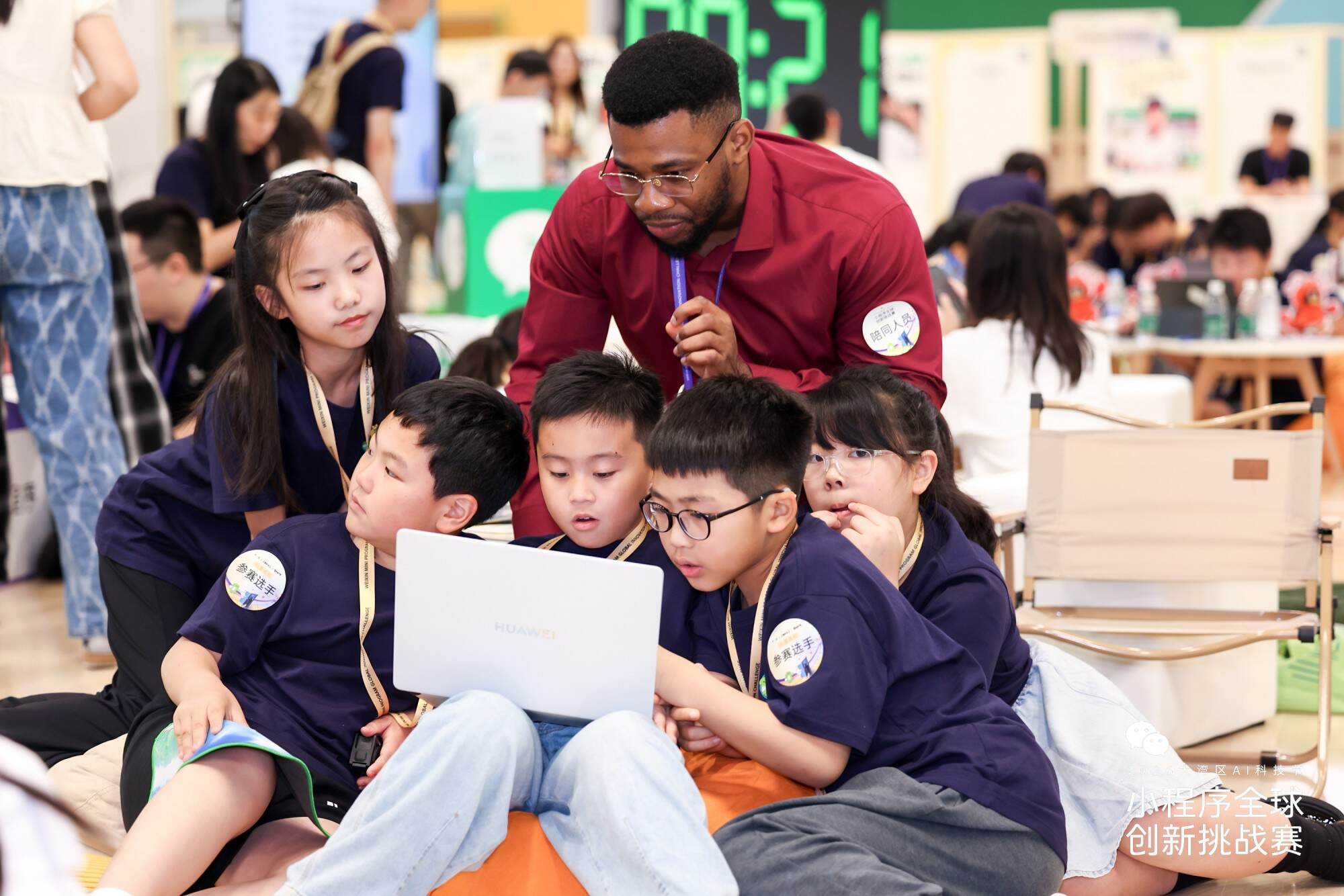 Students compete by developing Mini Programs live at the 4th Weixin Mini Program Global Innovation Challenge.
Addressing a Gap in STEM Education
A Weixin team visited schools in Hong Kong and Macau in 2022 and found a recurring issue. Teachers wanted more practical and engaging ways to teach programming skills, but many existing options felt too technical or disconnected from reality.
Mini Programs offered something different: students could develop projects people could actually use, turning coding lessons into real-world applications. As the team piloted the approach across schools, they realized students were learning far more than programming — they were solving problems, collaborating, and applying technology creatively.
Teacher He Xianjia from a secondary school in Chengdu recalled his students finishing their first Mini Program. “Everyone cheered and hugged each other. For the first time, they felt they could actually build software themselves.”
A further challenge emerged: schools in less-developed regions often lacked the hardware to run the developer tools, as well as the technical expertise to participate. In response, the Weixin team launched a web-based teaching platform in 2025, along with AI-assisted tools and step-by-step teaching resources to help more teachers confidently lead classes.
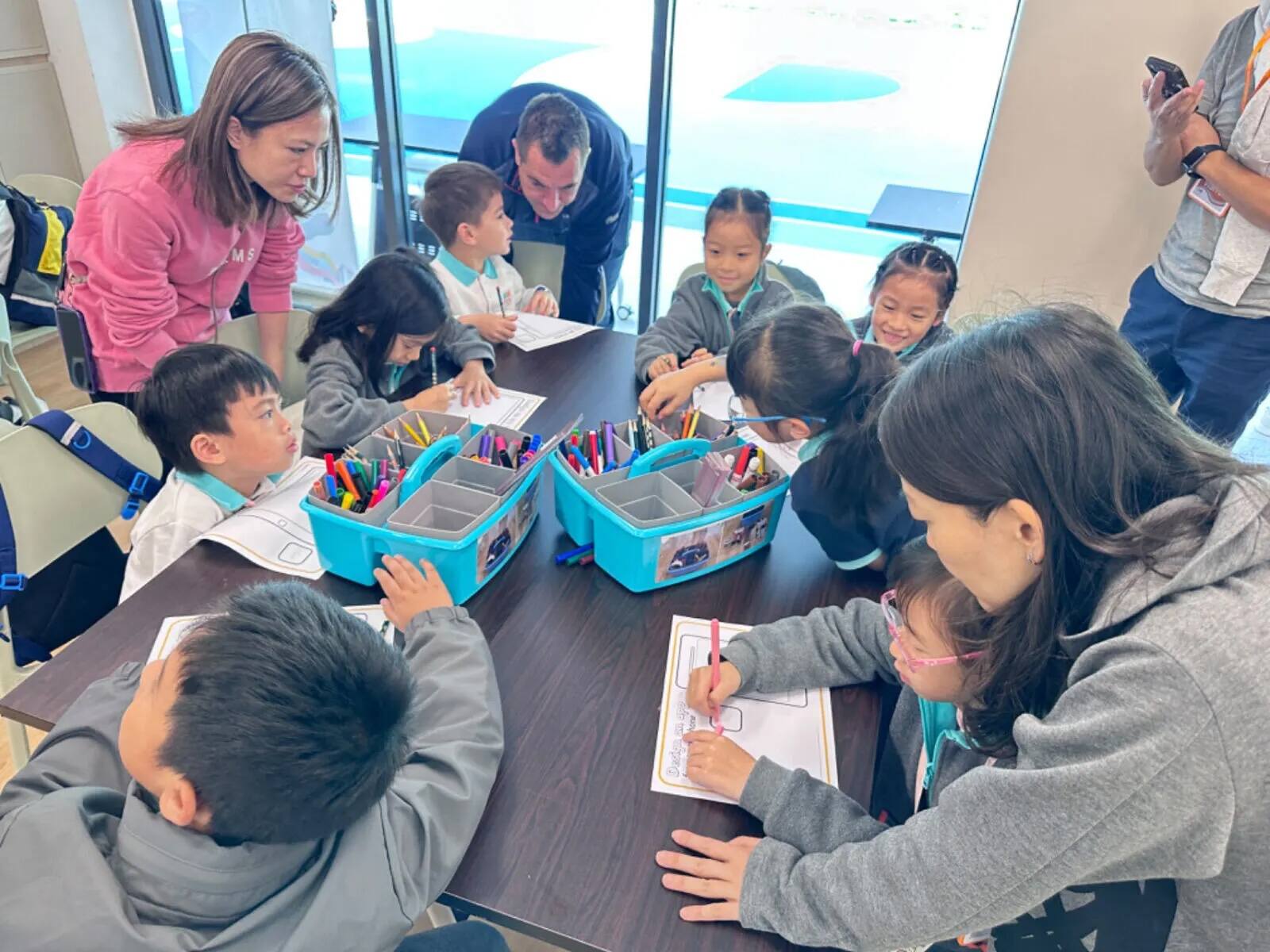 Primary school teachers guide students bring early Mini Program ideas to life on paper in the classroom.
A Four-Year Global Ecosystem
Over the past four years, nearly 8,000 schools, 17,830 teachers, and over 87,000 students across 11 countries have created more than 287,000 Mini Program projects, using AI to build Mini Programs and consuming more than 50 billion tokens in the process.
At its heart is a goal to shift children from being passive users of technology to active creators of it. Students design and publish Mini Programs around challenges they care about — from health and inequality to agriculture.
A student in Botswana built Farm Assistant, now used by local farmers. Students from Chongqing developed a tool that helps teenagers navigate emotional challenges and mental wellbeing. Slow Sounds, created by students in Hong Kong, is an intelligent language-learning tool designed for people with hearing impairments, went on to earn the Gold Medal at the 51st International Exhibition of Inventions of Geneva.
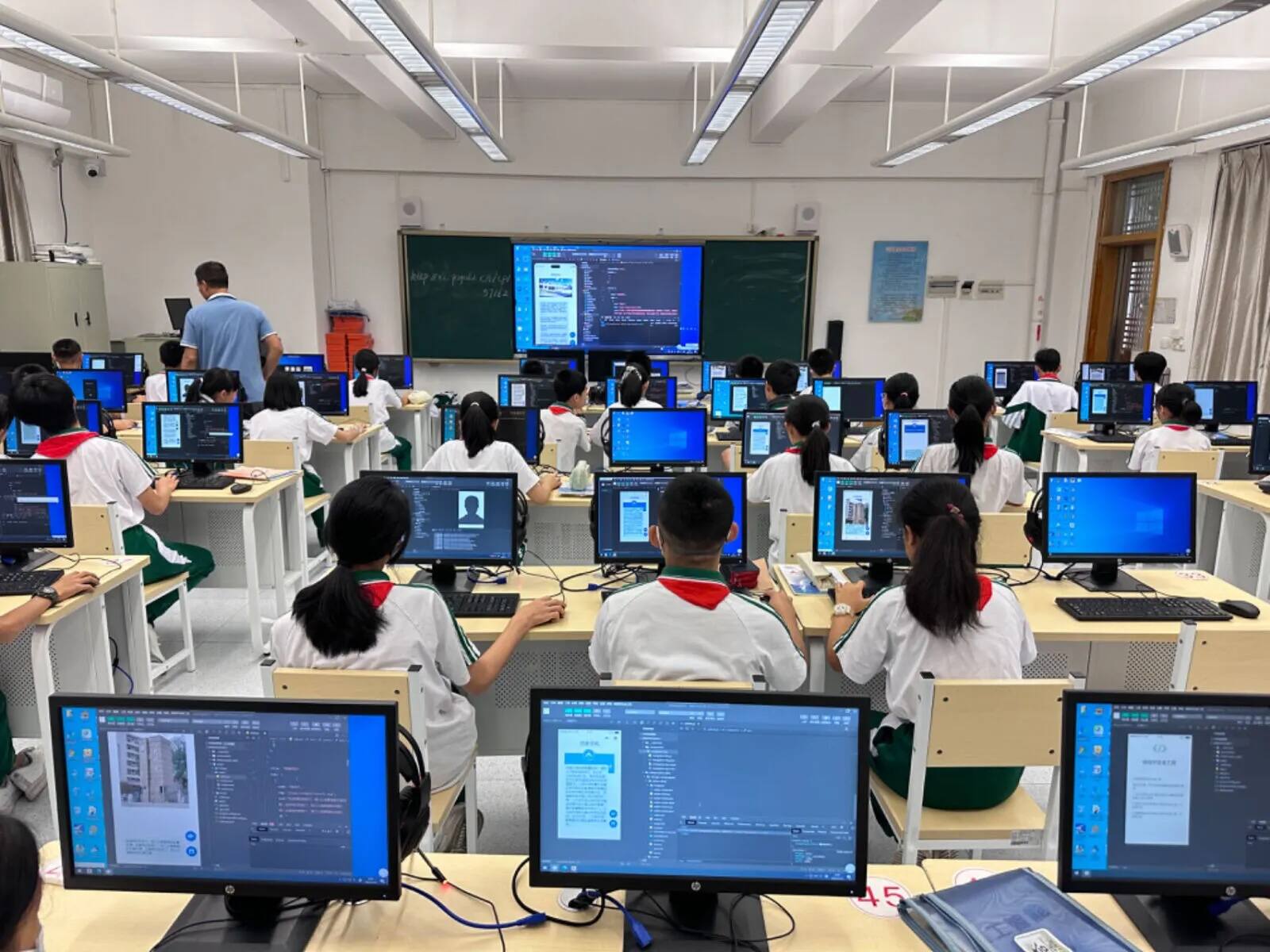 A group of secondary school students builds Mini Programs using the developer tool.
From Learning AI to Using AI
At this year’s Global Youth AI + Weixin Mini Program Insights Report by Tencent Research Institute, students are shown shifting “from learning AI to using AI to solve real-world problems.” More than 60 per cent of challenge projects were independently completed by students, reflecting how far barriers have fallen. The platform gives students access to advanced AI tools within a safe, age-appropriate environment.
Technology That Amplifies Kindness
Thousands of projects reveal a pattern: students are building for the people around them. Medication reminders for grandparents. Mental health tools for peers. The Insight Report describes this cohort as using technology to “amplify kindness.”
“I’m really interested in their creativity. Many of the ideas show a strong entrepreneurial spirit and a desire to make the world better,” said Jim Hawkins, former Headmaster of Harrow School in the UK. “We should encourage young people to think bigger, break boundaries, and imagine boldly.”